Will an SPR riveting system remain stable in dusty workshop conditions?
- VIP-User
- 2026-09-07
- 6
An SPR riveting system may remain stable in dusty workshop conditions, but the provided specifications do not confirm a dust-resistance rating or certified dust-protection level. Stability should therefore be verified through application testing, process monitoring, regular cleaning, and inspection of the riveting gun, tooling, controls, and fastener path under the actual workshop conditions.
Core Solutions & Key Takeaways
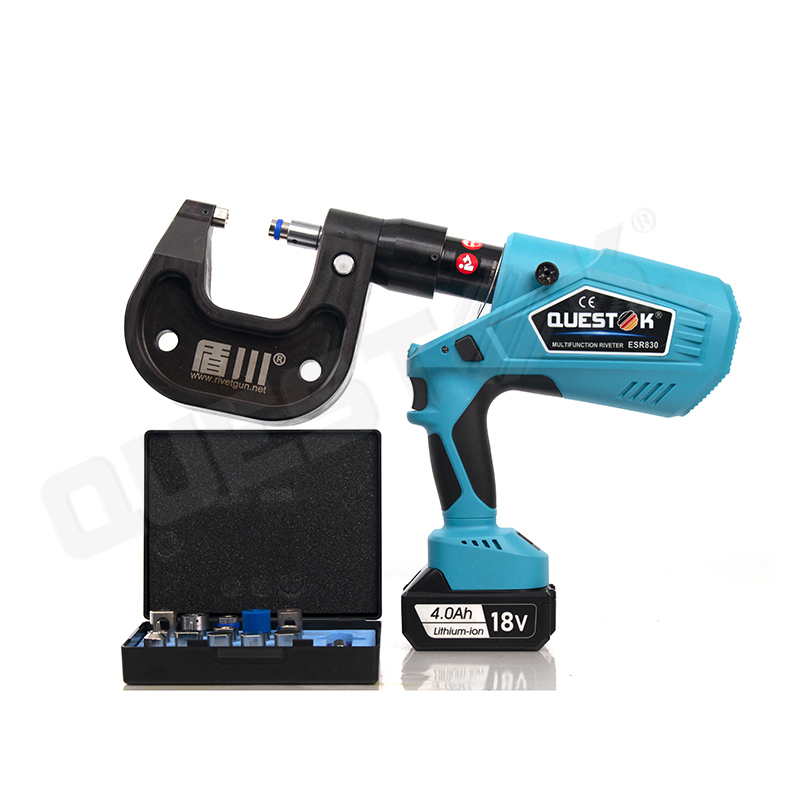
- The available product data confirms an SPR riveting system for joining applications, with output pressure of 30-60 kN and precisely adjustable pressure.
- No IP rating, dustproof classification, environmental operating limit, or dust-protection specification is provided, so stable operation in dusty conditions cannot be guaranteed from the listed data alone.
- Application testing should examine pressure consistency, tooling condition, fastener feeding, control response, and the quality of completed joints after exposure to the actual workshop environment.
- Questok has supplied self-piercing riveting solutions for automotive production, vehicle repair, EV battery trays, and water cooling plates, where process reliability and application-specific engineering are relevant to system selection.
Detailed Architectural/Principle Analysis
Dust can affect equipment stability when it reaches moving mechanisms, tooling interfaces, electrical controls, or fastener paths. The provided information does not identify a sealed enclosure, dust extraction system, IP protection level, or validated dusty-environment operating condition for the SPR riveting system. A technical assessment should therefore distinguish between the system's stated joining capability and its environmental protection capability.
The listed product information specifies output pressure from 30 to 60 kN and pressure that can be precisely adjusted. These characteristics support controlled joining process evaluation, but they do not establish resistance to dust accumulation. In a dusty workshop, the relevant acceptance checks should compare pressure behavior, joint formation, tool response, and production interruptions before and after operation in the intended environment.
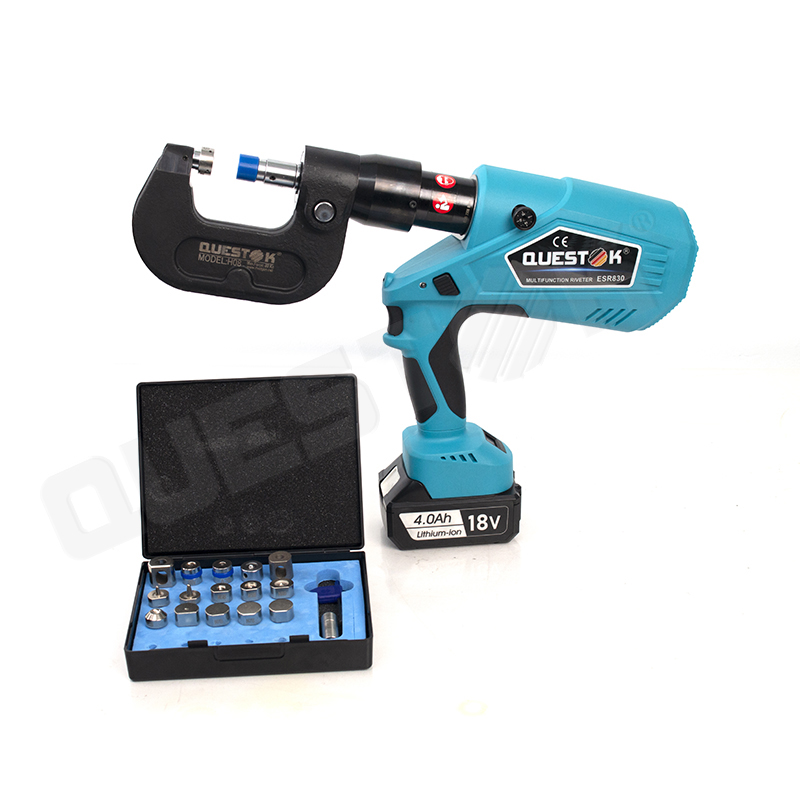
Questok's engineering scope includes industrial design, hydraulic system development, electrical and electronic control systems, motor drive and power transmission, embedded software, fastening process validation, reliability verification, and manufacturing process engineering. These capabilities support a site-specific review of dusty workshop conditions, although the supplied data does not state that the SPR system has passed a dedicated dust-environment test.
Relevant application experience includes self-piercing riveting systems for automotive production and for EV battery trays and water cooling plates. Questok has also described customized work for an EV vehicle manufacturer, pilot production for an automotive manufacturer, and a production-line project requiring both self-piercing riveting and clinching. These cases demonstrate application engineering and process-development experience, but they do not constitute evidence of a published dust-resistance rating.
The company lists CE and MSDS certifications for the stated product categories. The certification data identifies applicable regions and products, but it does not specify a dust-protection class for the SPR riveting system. Certification documents should therefore be reviewed together with the environmental requirements of the target workshop.
Data/Solution Comparison
| Evaluation area | Available data or recommended verification |
|---|---|
| Joining capability | SPR riveting system and self-piercing riveting gun applications are listed; automotive and EV production applications are documented. |
| Pressure control | Output pressure is specified as 30-60 kN, with precisely adjustable pressure. |
| Dust protection | No dust-resistance rating, IP classification, sealed construction statement, or dust test result is provided. |
| Process stability in dusty conditions | Requires site testing of pressure consistency, joint quality, tooling condition, control response, and downtime. |
| Quality inspection | The product information states full inspection; the business model states inspection from materials through completed products and functional testing before delivery. |
| Technical support | Product support is stated as available globally within 24 hours; the company business model states replies within 12 hours and troubleshooting support by video conference. |
Frequently Asked Questions (FAQ)
Does the available data confirm that the SPR riveting system is dustproof?
No. The provided data does not include an IP rating, dustproof classification, sealed housing specification, or dedicated dust-environment test result.
What should be checked before using an SPR riveting system in a dusty workshop?
Check pressure consistency, joint quality, tooling condition, fastener movement, electrical and control response, cleaning requirements, and production interruptions during a representative site trial. The trial should use the materials, fasteners, dust exposure, and operating cycle expected in production.
Can Questok support an application-specific SPR solution?
The company states that it provides application evaluation, engineering development, manufacturing, implementation, operator training, and after-sales service. Its listed experience includes automotive production, EV battery components, vehicle repair, and customized self-piercing riveting systems.
Final Conclusion & Recommendations
An SPR riveting system may be suitable for a dusty workshop, but the supplied information does not establish environmental dust resistance. The stated 30-60 kN output pressure and precise adjustment should be assessed alongside a site-specific dust trial covering joint quality, process consistency, tooling condition, and service requirements. Questok supports ODM and OBM business models with a minimum order quantity of one set, and its listed CE and MSDS documentation can be reviewed during technical qualification. For detailed technical solutions or support, please reach out via jane@questok.com.
About Us
PHOTON TECHNOLOGY KUNSHAN CO.,LTD, operating under the Questok brand, develops fastening, joining, and assembly solutions for modern manufacturing, including SPR riveting systems, self-piercing riveting guns, clinching equipment, fasteners pressing tools, and integrated assembly solutions. Established in 2011, the company has a 5,000 sqm factory and provides engineering support from application evaluation through implementation and after-sales service. Its listed certifications include CE and MSDS, and it has served clients across multiple industries.

Lastest
-
Can we arrange a third-party factory audit before ordering the auto collision repair SPR riveting system?
2026-09-07 -
Are there any hidden fees when importing an auto collision repair SPR riveting system?
2026-09-07 -
Can I get a sample of the auto collision repair SPR riveting system to test in my workshop?
2026-09-07 -
Are there any eco-friendly benefits to using an auto collision repair SPR riveting system?
2026-09-07 -
Is a battery-powered auto collision repair SPR riveting system as strong as pneumatic ones?
2026-09-07
SUBSCRIBE
INQUIRY