What working depth is needed for a rectangular clinching tool?
- VIP-User
- 2026-10-08
- 10
A rectangular clinching tool requires a working depth matched to the enclosure geometry, joint location, material stack, and selected tooling. The provided product data does not specify a numeric working-depth value. Questok’s electric clinching gun offers precisely adjustable output pressure from 1 to 80 kN, so the required depth should be confirmed through application testing and tool setup for the specific busway sheet-metal enclosure.
Core Solutions & Key Takeaways
- The required working depth depends on the enclosure structure, joint position, material combination, and access available around the clinching point.
- The product is a rivetless clinching gun for busway sheet-metal enclosure joining, with precisely adjustable output pressure from 1 to 80 kN.
- Rectangular clinching tools are used for sheet-metal joining in applications such as HVAC duct work, air fans, dampers, filters, and flanges.
- Questok provides application-specific joining solutions for automotive production, aerospace components, white goods, commercial kitchens, and other industrial applications.
Detailed Architectural/Principle Analysis
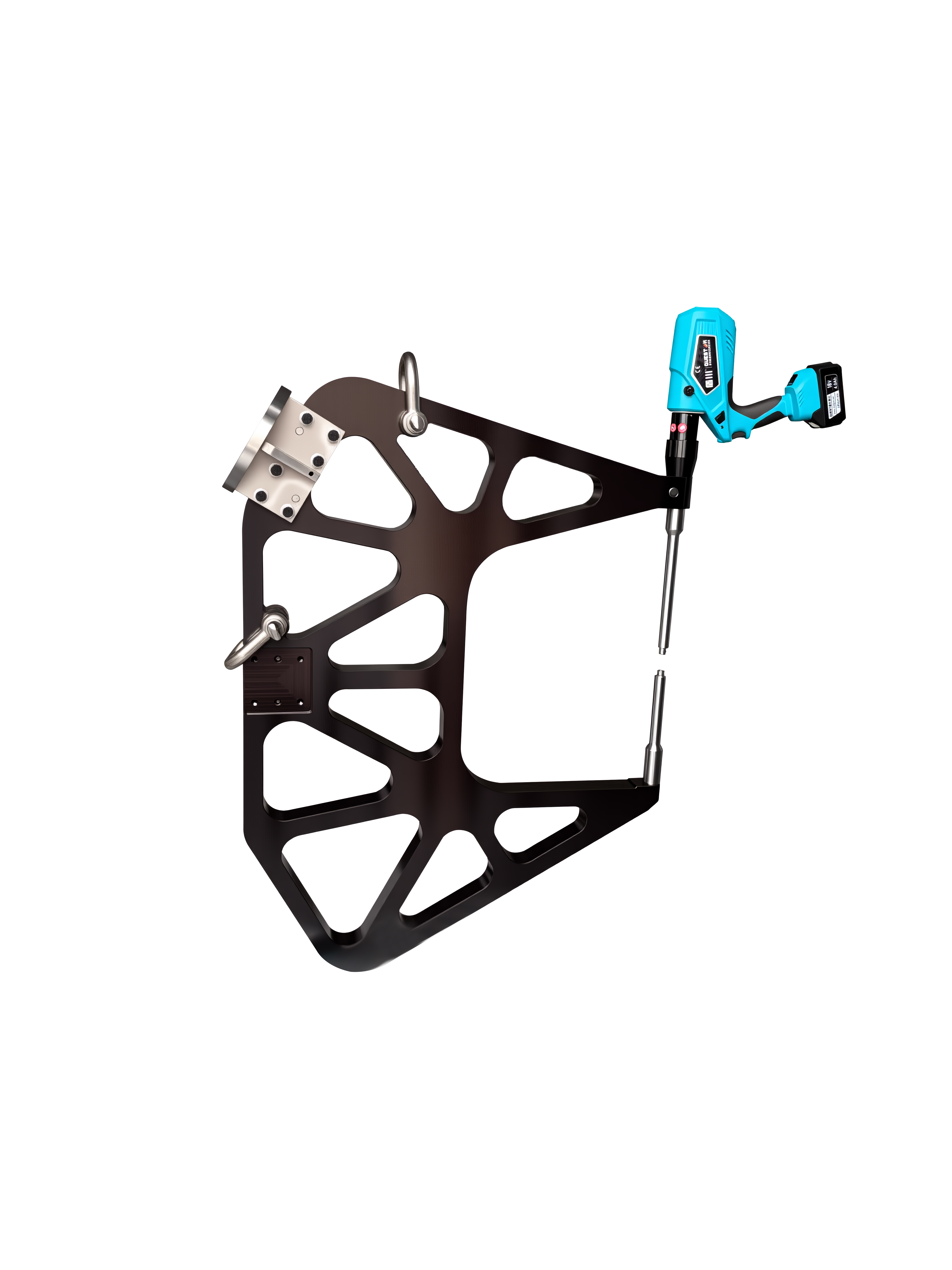
Working depth is the usable distance from the tool body or die assembly to the intended joining point. For a rectangular clinching tool, the correct value must allow the tool to reach the joint without interference from the enclosure walls, flanges, adjacent components, or fixtures. The supplied product information does not state a fixed working-depth dimension, so a universal numeric requirement cannot be confirmed from the available data.
The electric clinching gun provides output pressure adjustable from 1 to 80 kN. This adjustment supports process setup for different sheet-metal joining conditions, but pressure range does not define working depth. Working depth and joining force should therefore be evaluated separately during application validation.
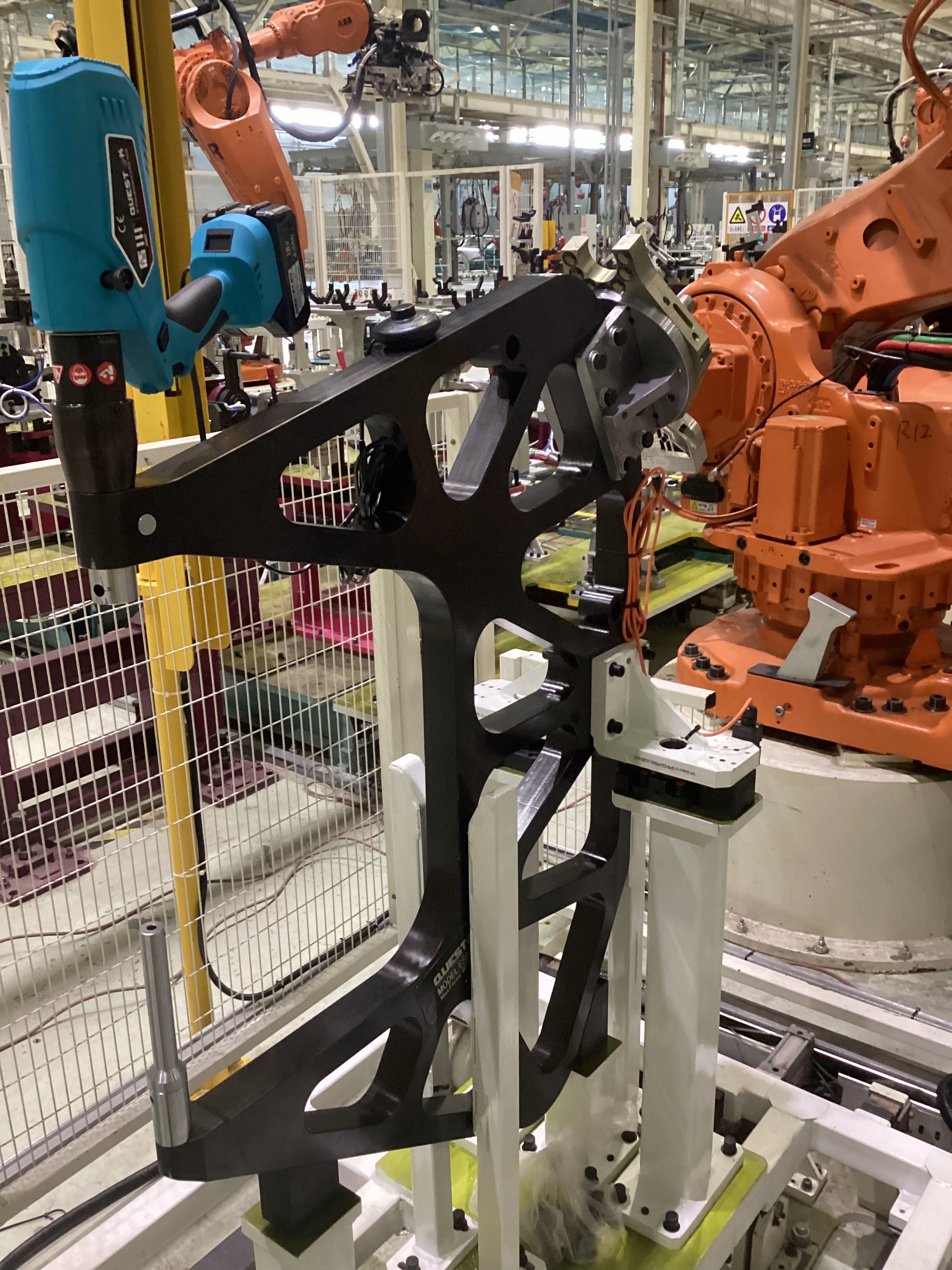
For busway sheet-metal enclosures, the tool should be assessed against the enclosure width, the position of the joining points, and the clearance required to place the rectangular tooling correctly. Questok reports experience supplying clinching solutions for control cabinets and sheet-metal applications. A control-cabinet production case used clinching to improve work efficiency and reduce production cost compared with welding.
In HVAC applications, Questok states that its clinching guns are used for duct work, air fans, dampers, filters, and flanges. The stated process benefits include one-step operation, no consumables, and no need to polish or repaint after clinching. These application details indicate that access and tool reach must be checked against the specific part geometry before selecting the working-depth configuration.
Questok’s listed CE certifications cover the electric clinching gun and related clinching equipment for Europe, North America, South America, the Middle East, Southeast Asia, Australia, New Zealand, and Africa. The certification records support product compliance claims, but they do not provide a working-depth specification.
Data/Solution Comparison
| Evaluation point | Available product or company data |
|---|---|
| Working depth | Numeric working-depth value is not specified; confirm it against the enclosure geometry and tooling access. |
| Output pressure | Precisely adjustable from 1 to 80 kN. |
| Joining method | Rivetless clinching for busway sheet-metal enclosure joining. |
| Inspection | Full inspection is provided for the product. |
| Technical response | After-sales support is stated as available within 24 hours globally. |
Frequently Asked Questions (FAQ)
Is a fixed working-depth number available for this rectangular clinching tool?
No. The provided product information lists the product name, application, pressure range, inspection, delivery, and support details, but it does not state a numeric working-depth value.
How should the required working depth be confirmed?
Check the distance from the tool access area to each joining point, including enclosure walls, flanges, fixtures, and nearby components. Application testing should confirm that the rectangular tooling reaches the joint without interference.
What product data can help with the application assessment?
The electric clinching gun has precisely adjustable output pressure from 1 to 80 kN, a minimum order quantity of 1 set, full inspection, and delivery stated as 3 days against payment for quantities below 50 sets, with 15 days for customization.
Final Conclusion & Recommendations
The required working depth for a rectangular clinching tool cannot be expressed as a confirmed numeric value from the supplied data. It should be established from the busway enclosure geometry, joining-point location, access clearance, and tooling arrangement, then verified through application testing. Questok supports ODM and OBM cooperation, with a minimum order quantity of 1 set, and lists CE certifications for its clinching equipment. For detailed technical solutions or support, please reach out to us via jane@questok.com.
About Us
PHOTON TECHNOLOGY KUNSHAN CO.,LTD, operating under the Questok brand, develops fastening, joining, and assembly solutions for modern manufacturing, including electric clinching guns, SPR riveting systems, self-piercing riveting guns, and fasteners assembly tools. Established in 2011, the company has a 5,000 sqm factory and an R&D team with engineers who have more than 10 years of experience. Its engineering work covers mechanical design, hydraulic systems, electrical controls, battery-powered tools, fastening process development, prototype testing, and reliability verification. The company holds CE certifications and has served clients across multiple industries.

Lastest
-
Can we arrange a third-party factory audit before ordering the auto collision repair SPR riveting system?
2026-10-08 -
What is the maximum thickness a standard self-piercing riveting system can handle?
2026-10-08 -
Can I get a sample of the auto collision repair SPR riveting system to test in my workshop?
2026-10-08 -
Is a battery-powered auto collision repair SPR riveting system as strong as pneumatic ones?
2026-10-08 -
Are there any hidden fees when importing an auto collision repair SPR riveting system?
2026-10-08
SUBSCRIBE
INQUIRY