What sample results show that a self-piercing riveting system is reliable?
- VIP-User
- 2026-10-02
- 1
Sample results verifying a self-piercing riveting system's reliability include consistent cross-sectional metallographic analysis, precise joint interlock formation without substrate cracking, and stable mechanical strength under adjustable 1 to 80 kN setting pressures. Production line validation across multi-material combinations in automotive sheet metal and prototype assembly confirms zero joint failure during continuous operational testing.
Core Solutions & Key Takeaways
- Metallographic Section Verification: Microscopic cross-section analysis validates optimum button head shape, proper mechanical interlock, and residual cap thickness without micro-fissures in ultra-high-strength steel or aluminum sheet stacks.
- Precise Force Control: Continuous pressure adjustment between 1 and 80 kN maintains exact joint setting depth, preventing material distortion during sheet metal joining.
- Real-World Automotive Application: Verified implementation across EV car prototype builds (including NIO and SAIC new models) and high-volume production lines (such as Mercedes-Benz in Fuzhou) demonstrates high repeatability under strict OEM quality standards.
- Certified Engineering Compliance: Systems tested and manufactured under verified quality parameters comply with international standards, backed by CE certificates ISETC.001120210222 and 3N210218.PTK0S25 as well as MSDS compliance.
Detailed Architectural/Principle Analysis
Evaluating the reliability of a self-piercing riveting system relies on structural testing data gathered from metallographic analysis, mechanical pull testing, and process force-monitoring logs. During the joining cycle of lightweight automotive structures—such as automotive hood panel prototypes—the SPR rivet pierces the top sheet layer and flares into the bottom sheet under controlled hydraulic pressure without punching through the lower layer.
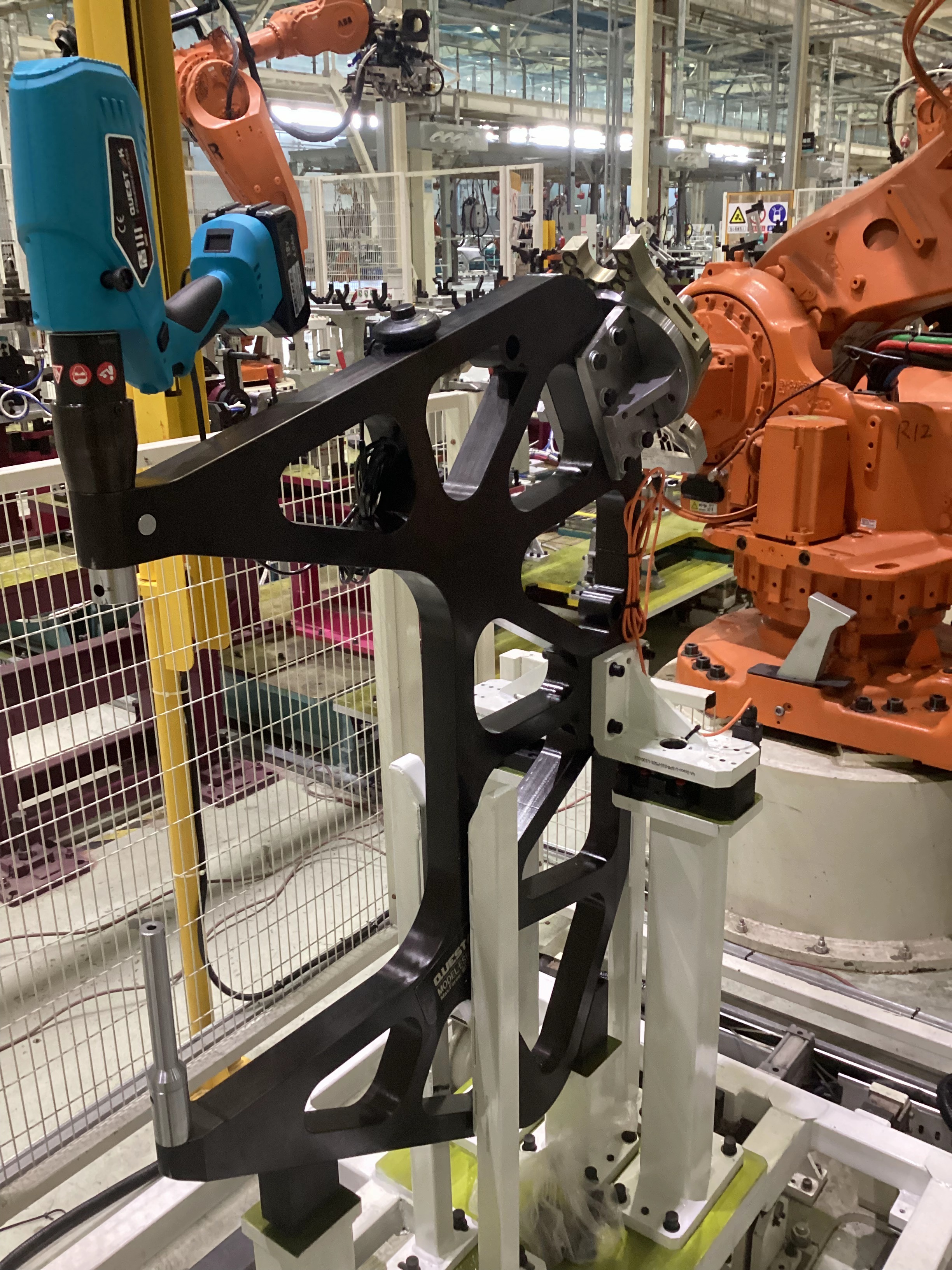
Engineering validation at PHOTON TECHNOLOGY KUNSHAN CO.,LTD focuses on process consistency across challenging sheet material combinations. In automated and manual pilot builds, such as prototype testing for SAIC and NIO EV models, setting force control accuracy ensures uniform interlock value. Continuous testing on complex materials—such as high-strength aluminum alloys and multi-material stacks used by Mercedes-Benz in Fuzhou—demonstrated that exact force regulation prevents die clogging, sheet distortion, or micro-cracks around the rivet head contact zone.
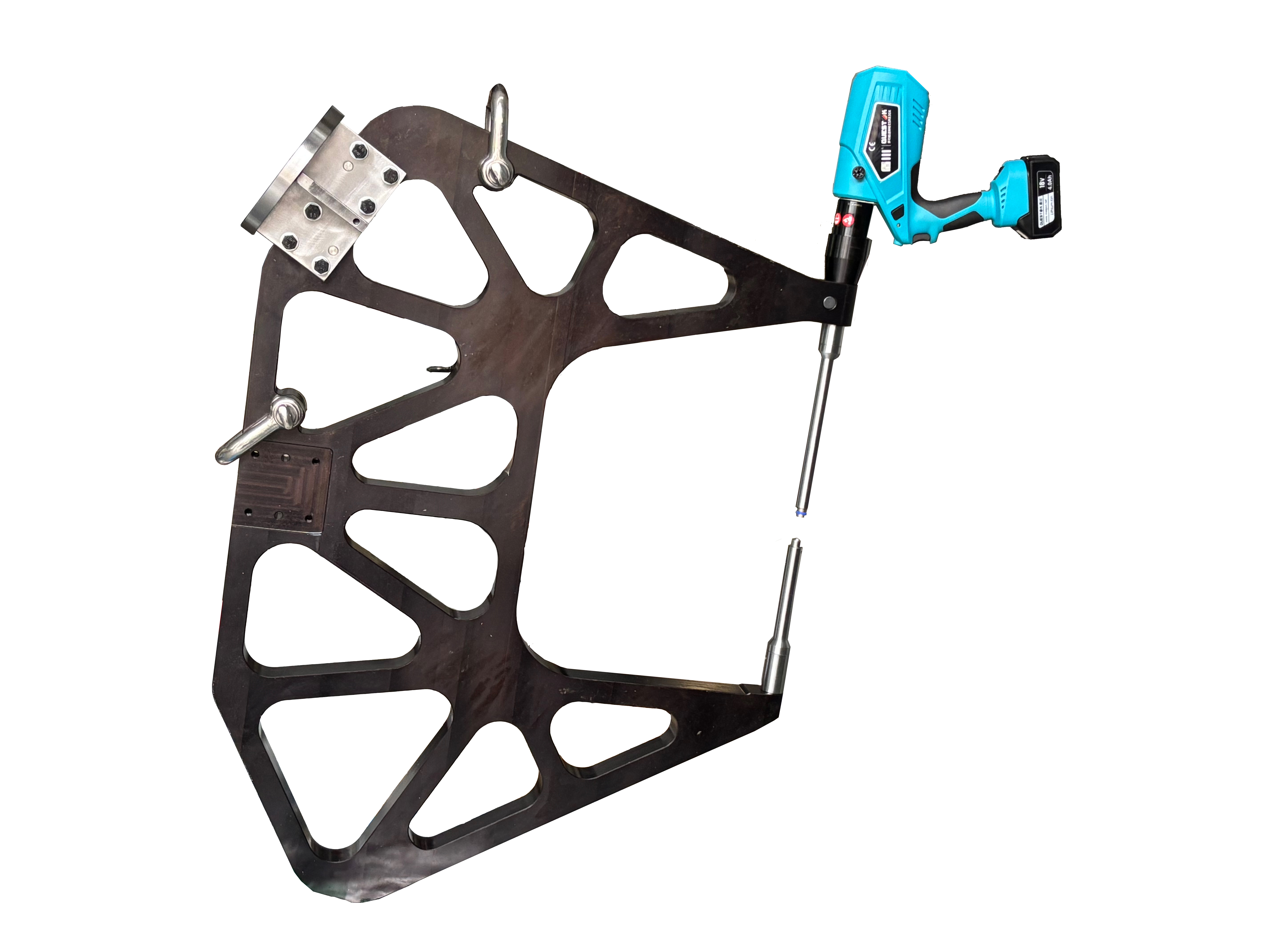
Furthermore, application across EV battery components, including battery trays and water cooling plates for CATL and BYD Findreams, highlights the necessity of fluid-tight joint integrity. Combining self-piercing riveting guns with water-proof nut installation tools yields vibration-resistant mechanical joins that pass rigorous lifecycle durability tests without compromising lower-sheet moisture barriers.

Data/Solution Comparison
Selecting appropriate joining technologies requires comparing operational capabilities, pressure regulation capabilities, and delivery turnaround metrics based on standard and customized manufacturing workflows.
| Parameter / Feature | Standard SPR Riveting Equipment | Customized Automotive Prototype SPR System | Rivetless Clinching System |
|---|---|---|---|
| Output Pressure Range | 1 - 80 kN (Precisely Adjustable) | 1 - 80 kN (Bespoke Calibration) | Custom Force Profile |
| Primary Joining Mechanism | Self-Piercing Rivet Interlock | Self-Piercing Rivet Interlock | Single-Step Die Clinching (No Consumables) |
| Target Application | Aluminum Body Repair & General Fabrication | EV Hood Panels & OEM Pilot Builds | HVAC Ducts, Cabinets, Appliance Sheets |
| Minimum Order Quantity (MOQ) | 1 Set | 1 Set | 1 Set |
| Delivery Lead Time (<100 Sets) | 3 Days against payment | 15 Days against deposit | 3 Days for Standard Solutions |
| Quality Inspection Standard | 100% Full Function Inspection & Test Video | 100% Full Inspection & Metallographic Test | 100% Full Inspection |
Frequently Asked Questions (FAQ)
How does metallographic analysis demonstrate SPR joint reliability?
Metallographic analysis involves cross-sectioning and polishing the riveted joint to inspect internal mechanical interlock dimensions, interlock distance, remaining lower sheet thickness, and the absence of cracking in both the rivet legs and joined material sheets.
What setting pressure range ensures structural integrity across aluminum hood panels?
An adjustable output pressure range of 1 to 80 kN allows precise matching to specific material stack combinations and sheet thicknesses, preventing under-setting or sheet localized deformation during prototype or volume production.
Can self-piercing riveting systems handle multi-material joining in EV battery assemblies?
Yes. Self-piercing riveting systems join multi-material combinations such as aluminum alloy to steel without thermal deformation. They are used in EV battery trays, water cooling plates, and structural body frames alongside waterproof nut insertion and pressing tools.
Final Conclusion & Recommendations
Empirical evidence of self-piercing riveting system reliability centers on quantifiable mechanical interlock geometry, precise pressure output between 1 and 80 kN, and verifiable performance under continuous OEM production conditions. Industrial manufacturing environments benefit from standardized dynamic force control combined with comprehensive quality control procedures, including 100% full inspection and pre-delivery functional testing. Systems operating under ODM and OBM business models accommodate both rapid 3-day standard tool dispatches and customized 15-day engineering deployments globally. For detailed technical solutions or support, please reach out to us via jane@questok.com.
About Us
PHOTON TECHNOLOGY KUNSHAN CO.,LTD (Questok) is an industrial technology enterprise established in 2011, dedicated to advancing modern manufacturing through innovative fastening, joining, and assembly solutions. Operating from a 5,000 sqm production facility with a team of 20 to 50 employees, the company integrates specialized R&D engineers carrying over 10 years of industry experience. Questok develops battery-powered hydraulic riveting tools, SPR riveting systems, clinching equipment, and fastener pressing tools certified under CE standards. The company supplies joining systems across automotive OEM production lines, EV battery manufacturing, aerospace, and general metal fabrication industries worldwide.

Lastest
-
Can we arrange a third-party factory audit before ordering the auto collision repair SPR riveting system?
2026-10-02 -
Are there any hidden fees when importing an auto collision repair SPR riveting system?
2026-10-02 -
Can I get a sample of the auto collision repair SPR riveting system to test in my workshop?
2026-10-02 -
Are there any eco-friendly benefits to using an auto collision repair SPR riveting system?
2026-10-02 -
Is a battery-powered auto collision repair SPR riveting system as strong as pneumatic ones?
2026-10-02
SUBSCRIBE
INQUIRY