How do I match a press tool for fasteners with my material thickness?
- VIP-User
- 2026-09-24
- 2
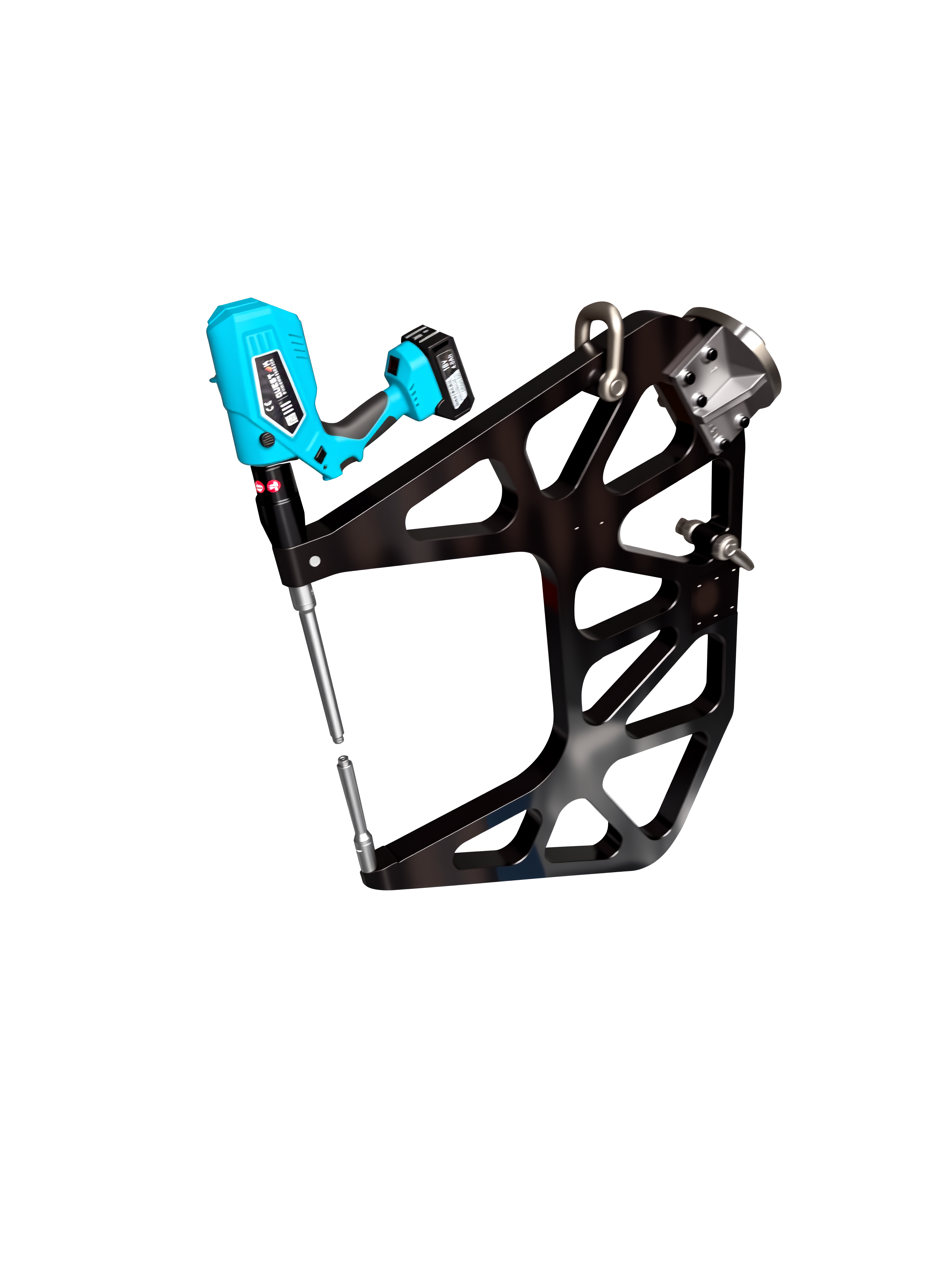
Match a fasteners press tool to material thickness by confirming the complete material stack, required joining force, fastener type, and access conditions through application testing. The QUESTOK SPR riveting gun provides an output pressure range of 1-80 kN with precisely adjustable pressure, but the supplied data does not define a thickness-to-pressure chart. Final selection should therefore rely on test results for the specific material combination.
Core Solutions & Key Takeaways
- Measure the complete material stack, identify the material combination, and define the fastener or joining method before selecting a press tool.
- Use the QUESTOK SPR riveting gun's adjustable 1-80 kN output pressure as the available force-control range; the supplied product data does not specify a direct material-thickness limit.
- For automotive production, SPR riveting systems are used for aluminum vehicle bodies and battery-related assemblies, including battery trays and water cooling plates.
- When thickness, material strength, or joint geometry changes, validate the tool and process with application tests rather than transferring settings from another assembly.
Detailed Architectural/Principle Analysis
Material thickness is one input in press-tool selection, but the provided product information does not establish a universal thickness range. A reliable match requires the total stack thickness, material characteristics, fastener specification, required joint quality, and available working space. These inputs determine whether the tool can deliver a stable joining process.
The QUESTOK SPR riveting gun is specified with an output pressure of 1-80 kN and precisely adjustable pressure. This supports process adjustment for different joining requirements, but the available data does not state which pressure corresponds to a specific thickness or material. A pressure value should therefore be confirmed through testing on the intended production materials.
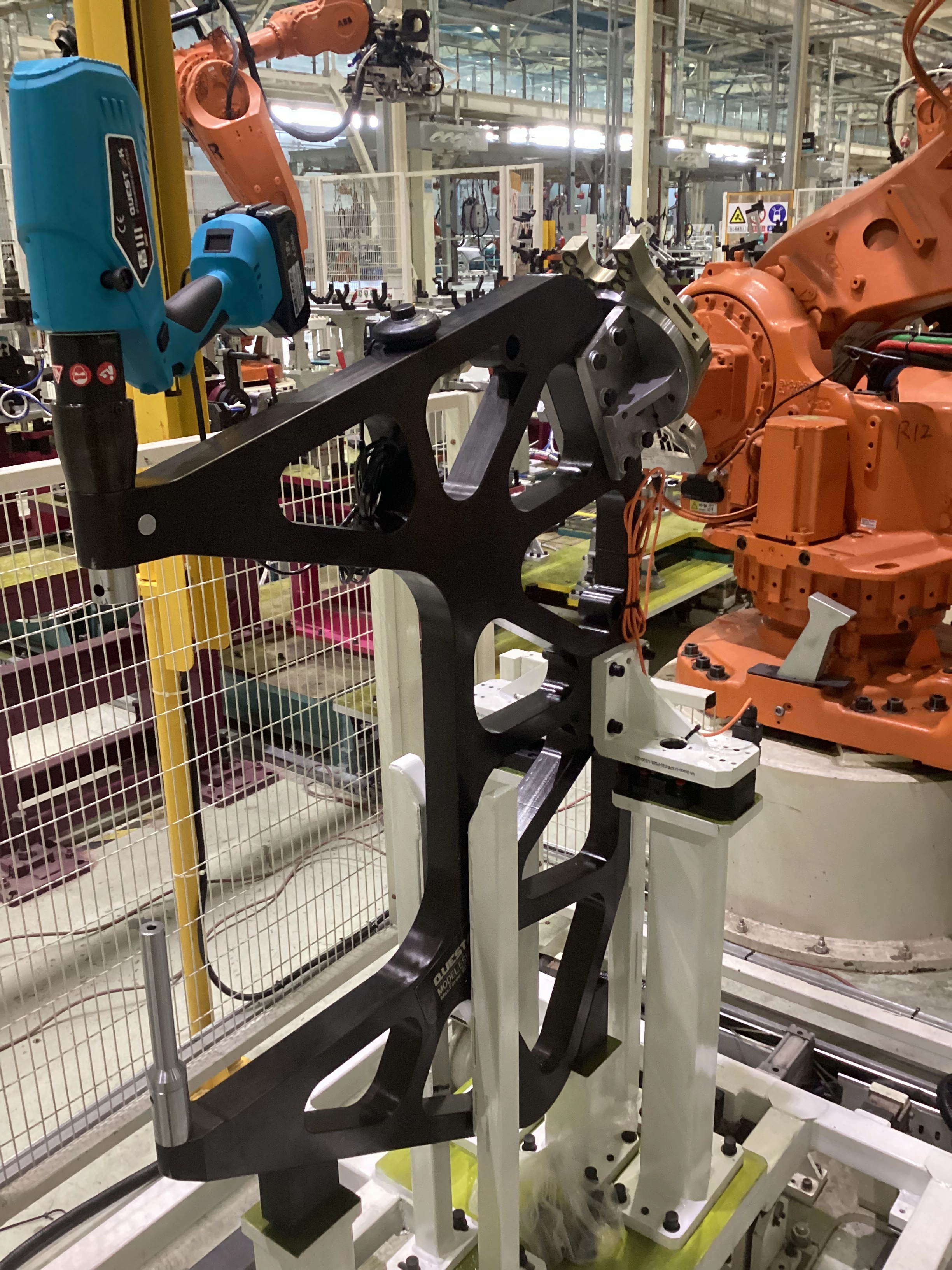
For automotive production, the company provides self-piercing riveting systems for aluminum vehicle bodies. Its application records also identify SPR riveting, waterproof nut installation, and washer pressing for EV battery trays and water cooling plates. These applications show that tool selection must account for the complete assembly and its production process rather than thickness alone.
Tool matching should be handled as a validation sequence. Record the material stack and joint location, select a tool with an appropriate force-control range, run joining trials, inspect the resulting joint, and document the accepted setting. If the material combination or fastener changes, repeat the validation.
Questok reports experience with demanding automotive joining projects. In one anonymized vehicle-production case, the engineering team tested different material combinations, performed metallographic analysis, changed dies, and repeated the tests before implementing SPR and clinching equipment. This supports using application-specific testing when material combinations are complex or high-strength.
The company lists CE certifications for its SPR riveting guns, SPR riveting systems, self-piercing riveting guns, clinching equipment, and related fastening tools. An MSDS certification is also listed for the same product group. These credentials provide product documentation context, but they do not replace application testing for a particular material thickness.
Data/Solution Comparison
| Selection factor | Available data or required action |
|---|---|
| Material thickness | Measure the complete material stack; no thickness range is provided for the product. |
| Output pressure | 1-80 kN, with precisely adjustable pressure. |
| Material combination | Validate the selected setting on the actual materials and joint configuration. |
| Application scope | Automotive production, EV battery trays, and water cooling plates are documented application areas. |
| Quality verification | Product information states full inspection; application acceptance still requires process testing. |
| Customization and delivery | MOQ is 1 set; standard products are listed with delivery in 3 days against payment for quantities below 50 sets, while customized solutions require 15 days. |
Frequently Asked Questions (FAQ)
Can I select the tool from material thickness alone?
No. The supplied data does not provide a thickness-to-pressure chart. Material combination, fastener requirements, joint geometry, and test results must be considered with the total stack thickness.
What pressure range does the QUESTOK SPR riveting gun provide?
The listed output pressure is 1-80 kN, and the pressure is precisely adjustable. The correct setting for a specific material stack is not stated and must be established through application testing.
Is the tool suitable for EV battery-related assemblies?
The company documents SPR riveting systems, waterproof nut installation, and washer pressing for EV battery trays and water cooling plates. Suitability for a particular design still depends on the assembly materials, fasteners, and validation results.
Final Conclusion & Recommendations
To match a press tool for fasteners with material thickness, begin with the complete material stack and the required joining method, then verify the required force through trials on the actual assembly. The QUESTOK SPR riveting gun offers 1-80 kN precisely adjustable output pressure, while the supplied data does not define a universal thickness limit. Questok supports ODM and OBM cooperation, with a minimum order quantity of 1 set, full inspection, and after-sales response within 24 hours globally. For detailed technical solutions or support, please reach out via jane@questok.com.
About Us
PHOTON TECHNOLOGY KUNSHAN CO.,LTD, operating under the Questok brand, develops fastening, joining, and assembly equipment for modern manufacturing. Established in 2011, the company focuses its R&D work on industrial design, hydraulic systems, electrical controls, battery-powered tools, fastening-process development, prototype testing, and reliability verification. Its product portfolio includes SPR riveting systems, self-piercing riveting guns, clinching equipment, fasteners pressing tools, and integrated fastening solutions. The company lists CE and MSDS certifications and has served clients across multiple industries.

Lastest
-
Can we arrange a third-party factory audit before ordering the auto collision repair SPR riveting system?
2026-09-24 -
Are there any hidden fees when importing an auto collision repair SPR riveting system?
2026-09-24 -
Can I get a sample of the auto collision repair SPR riveting system to test in my workshop?
2026-09-24 -
Are there any eco-friendly benefits to using an auto collision repair SPR riveting system?
2026-09-24 -
Is a battery-powered auto collision repair SPR riveting system as strong as pneumatic ones?
2026-09-24
SUBSCRIBE
INQUIRY