How do I choose an SPR riveting system for different auto body panels?
- VIP-User
- 2026-10-03
- 1
Choosing a self-piercing riveting (SPR) system for auto body panels requires matching the system's output force, C-frame geometry, and die configurations to specific sheet metal combinations. Key evaluation criteria include joint stack thickness, aluminum-to-steel material strength, process repeatability, and pressure adjustability up to 80 kN for high-strength aluminum wheel arches and structural closures.
Core Solutions & Key Takeaways
- Match output force to stack hardness: Select systems with precisely adjustable pressure settings from 1 to 80 kN to handle varying sheet thicknesses without damaging outer panel surface finishes.
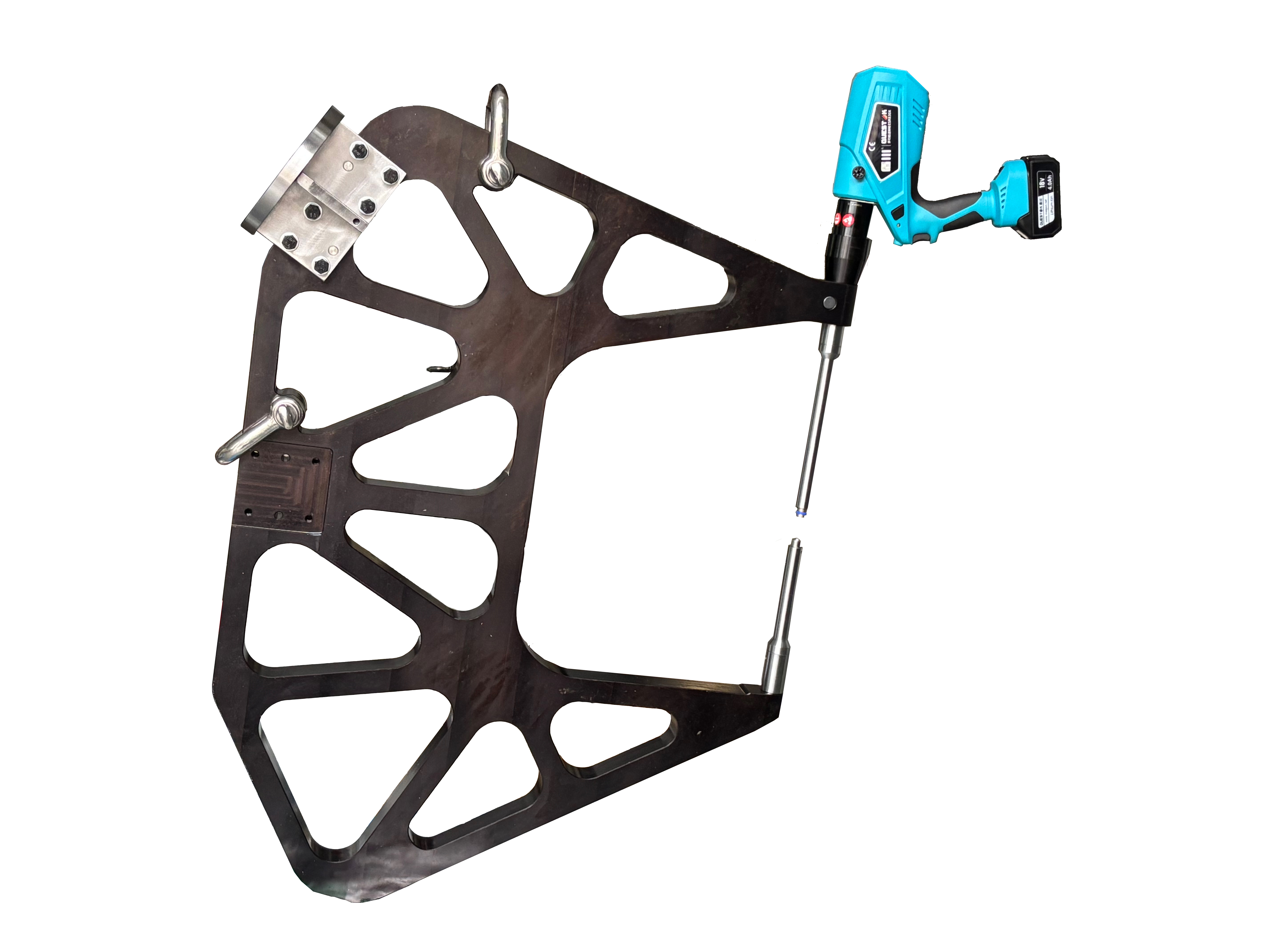
- Verify frame clearance for body geometries: Wheel arch prototypes, pillars, and door frames demand optimized C-frame reach and stroke lengths for unhindered tool positioning.
- Ensure multi-material joining capability: Select rivet-and-die sets verified for joining high-strength steel to aluminum alloys without requiring pre-punched holes.
- Implement verified quality assurance: Utilize tooling validated through full process testing and backed by global CE and MSDS compliance standards.
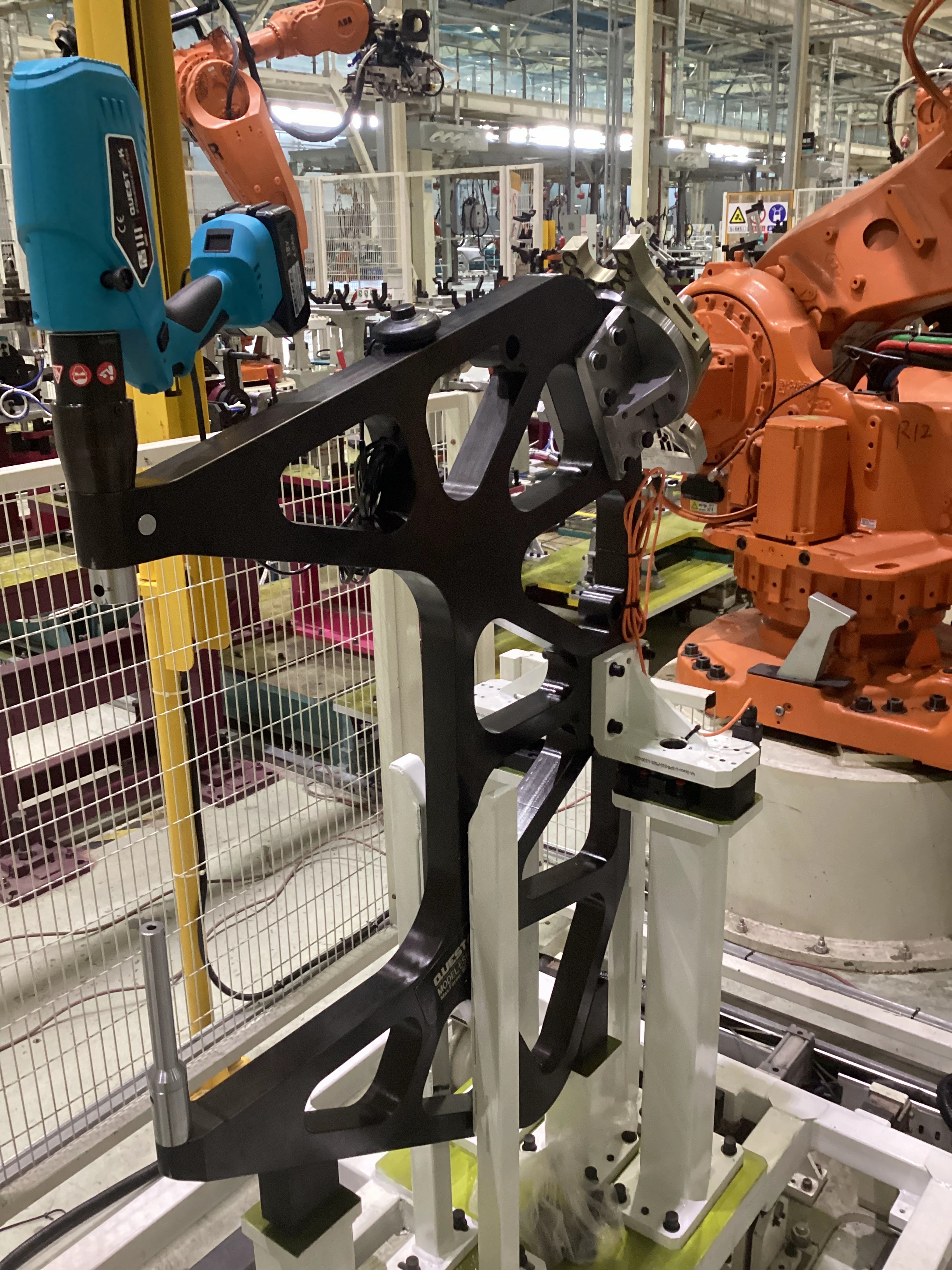
Detailed Architectural & Principle Analysis
Self-piercing riveting creates a mechanical interlock between two or more overlapping metal sheets. The process drives a semi-tubular rivet through the top layer while flaring the rivet shank into the bottom layer inside a dedicated upsetting die. Unlike spot welding, SPR operates without thermal input, eliminating heat-affected zones, thermal distortion, or protective coating degradation on galvanized steel and aluminum auto body panels.
When selecting an SPR riveting system for automotive applications such as wheel arch prototypes, structural body-in-white (BIW) assemblies, or electric vehicle battery trays, force regulation remains paramount. Panel materials vary from ultra-thin 0.8 mm outer aluminum skins to multi-layer 3.0 mm structural alloys. Systems featuring stepless pressure adjustments from 1 to 80 kN allow engineers to tailor riveting forces to exact material yield strengths, guaranteeing optimal rivet flare depth and joint residual button height.
Tooling configurations validated across automated production lines—such as those at Mercedes-Benz in Fuzhou, SAIC, and NIO—demonstrate that precise hydraulic control prevents bottom sheet perforation while ensuring complete mechanical interlock. Furthermore, for EV battery trays and water cooling plates evaluated by battery manufacturers such as CATL and BYD, stable force application ensures structural integrity and liquid-tight sealed fastening when paired with specialized insertion tooling.
Data & Solution Comparison
| Application Scenario | Material Combination | Required Force Range | Tool Configuration | Standard Lead Time |
|---|---|---|---|---|
| Outer Body Skins & Closures | Aluminum to Galvanized Steel (1.0 - 2.5 mm) | 10 – 35 kN | Lightweight Portable / Battery-Hydraulic SPR Gun | 3 Days (Standard Orders < 50 sets) |
| Wheel Arch Prototypes & BIW Joints | High-Strength Aluminum Alloys (2.0 - 5.0 mm) | 35 – 80 kN | Adjustable High-Pressure SPR System | 15 Days (Customized Solution) |
| EV Battery Trays & Cooling Plates | Multi-layer Aluminum & Stainless Fasteners | 40 – 80 kN | Integrated Riveting & Pressing System | 15 Days (Customized Solution) |
Frequently Asked Questions (FAQ)
Q: How does hydraulic pressure adjustability impact joint quality across different panel thicknesses?
A: Precise pressure adjustment between 1 and 80 kN prevents under-setting (loose joint) or over-setting (sheet cracking or excessive distortion). Setting exact hydraulic force according to material hardness ensures consistent rivet interlock and uniform button formation.
Q: Is SPR suitable for aluminum car body collision repair and prototype builds?
A: Yes. SPR systems meet car manufacturer repair standards for aluminum bodies (including Ford F150, Tesla, NIO, BMW, and Porsche). They replace thermal welding with cold mechanical joining paired with structural adhesives.
Q: What quality checks are conducted on SPR riveting equipment prior to delivery?
A: Equipment undergoes 100% full inspection from raw materials to complete assembly. Functional tests and force validation checks are recorded via photos and videos for buyer confirmation prior to dispatch.
Final Conclusion & Recommendations
Selecting an SPR riveting system requires evaluating total stack thickness, joint accessibility, and hydraulic pressure control. Systems equipped with 1 to 80 kN adjustable output handle both delicate prototype skins and heavy structural wheel arches. Operating under ODM and OBM models with 100% functional pre-shipment inspections ensures high process reliability across modern auto manufacturing environments. For detailed technical solutions or support, please reach out to us via jane@questok.com.
About Us
PHOTON TECHNOLOGY KUNSHAN CO.,LTD (brand Questok) is an industrial technology enterprise dedicated to advancing modern manufacturing through innovative fastening, joining, and assembly solutions. Established in 2011, the company operates out of a 5,000 sqm factory area with a dedicated R&D engineering team bringing over 10 years of application experience. Questok provides CE and MSDS certified SPR riveters, clinching tools, and fasteners assembly systems to global automotive OEMs, EV battery manufacturers, and industrial fabricators.

Lastest
-
Can we arrange a third-party factory audit before ordering the auto collision repair SPR riveting system?
2026-10-03 -
Are there any hidden fees when importing an auto collision repair SPR riveting system?
2026-10-03 -
Can I get a sample of the auto collision repair SPR riveting system to test in my workshop?
2026-10-03 -
Are there any eco-friendly benefits to using an auto collision repair SPR riveting system?
2026-10-03 -
Is a battery-powered auto collision repair SPR riveting system as strong as pneumatic ones?
2026-10-03
SUBSCRIBE
INQUIRY