How can I verify that an SPR riveting gun sample matches its promised mass-production quality?
- VIP-User
- 2026-11-01
- 5
To verify that an SPR riveting gun sample matches promised mass-production quality, compare its adjustable 30–60 kN output pressure, functional performance, inspection records, and application results with the production specification. Confirm that the sample passes full inspection, review test videos and photos, and validate the joining process on the intended materials before approving standard or customized production.
Core Solutions & Key Takeaways
- Check that the SPR riveting gun provides the stated output pressure range of 30–60 kN and that pressure adjustment operates precisely.
- Request evidence of full inspection, including functional testing performed before delivery. The supplier states that each set is checked from materials through completed products.
- Verify process performance on the intended application, such as aluminum vehicle bodies, EV battery trays, or water cooling plates, because the company provides SPR solutions for these manufacturing scenarios.
- Compare the sample’s configuration, test results, delivery commitment, and after-sales response with the conditions promised for mass production.
Detailed Architectural/Principle Analysis
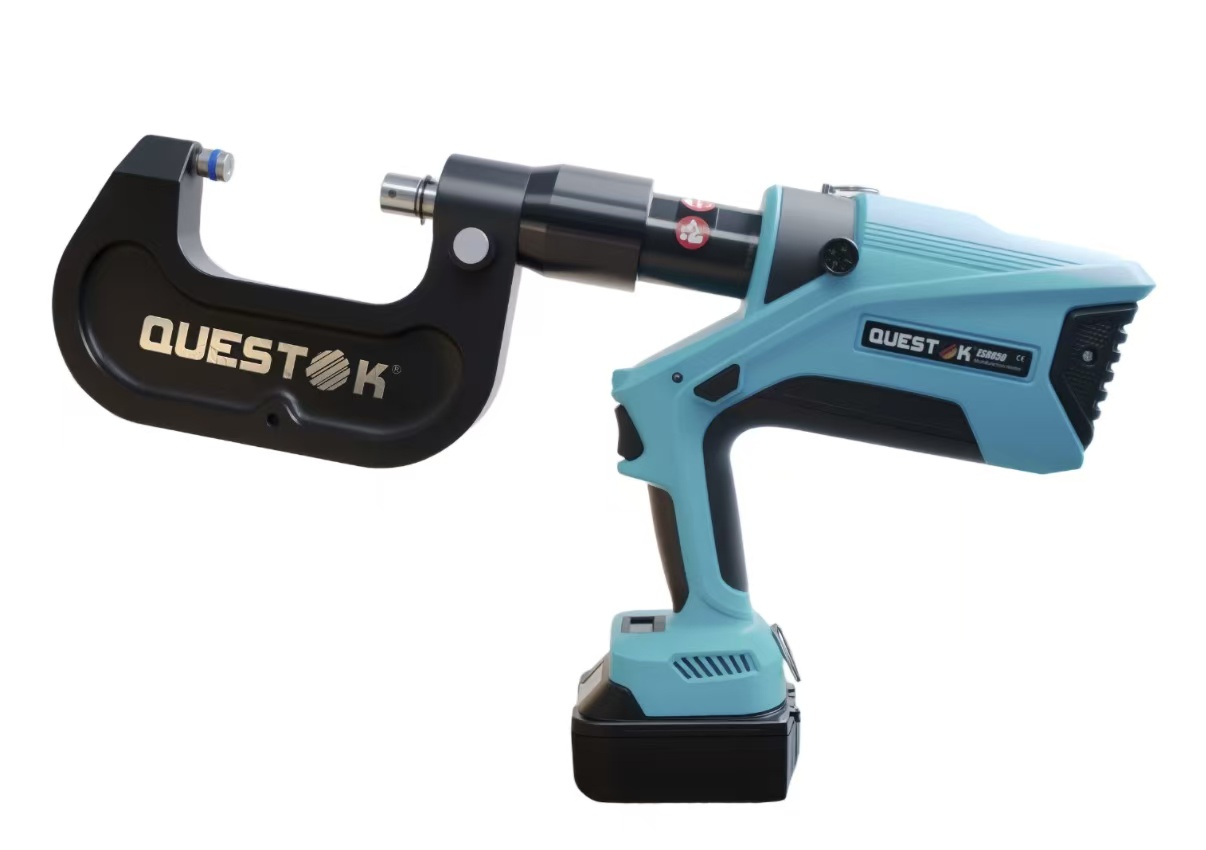
An SPR riveting gun sample should be assessed as part of the complete joining process rather than as an isolated tool. The available product data identifies the tool as a sheet metal joining SPR riveting gun with an output pressure of 30–60 kN and precisely adjustable pressure. These two stated parameters form the starting point for sample verification.
Record the pressure setting used during the supplier’s demonstration and confirm that the gun can be adjusted within the stated range. The production review should establish whether the same pressure-control behavior is available on the delivered sample and whether the joining process remains consistent under the customer’s intended working conditions. No production approval should rely on appearance alone.
Inspection evidence is another direct quality indicator. The product information specifies full inspection, while the business model states that materials, completed products, and each manufacturing process are checked according to internal standards. The supplier also states that functional tests are performed before delivery and that test videos and photos can be shared with customers. These records should be linked to the specific sample being evaluated.
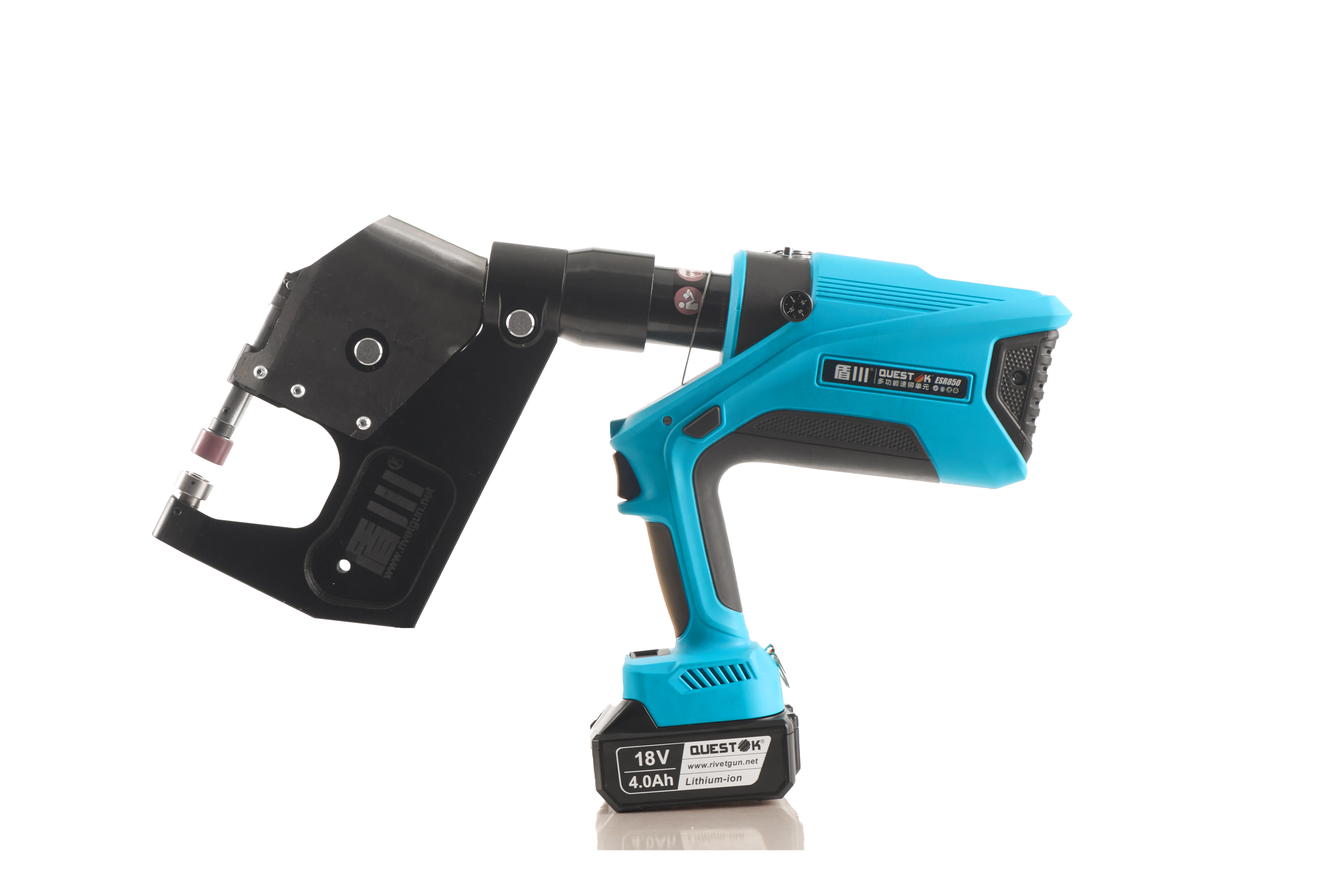
Application validation should use the materials and joining requirements expected in production. Questok reports SPR applications in car production and in EV battery trays and water cooling plates. It also reports supplying self-piercing riveting systems for prototype and production work involving automotive manufacturers. These application references support checking the sample against the actual assembly context instead of accepting a generic demonstration.
For a production decision, compare the sample with the intended process documentation. Confirm the tool identity, pressure range, adjustment behavior, inspection status, and test evidence. Where the customer requires a customized solution, the supplier describes a 15-day production period for customization and supports ODM and OBM business models with a minimum order quantity of one set.
Reported cooperation cases show how process verification can be handled for demanding applications. In one EV vehicle prototype project, the supplier visited the customer’s factory, discussed requirements with engineers, and developed a bespoke SPR system after application evaluation. In another automotive production project involving complex and high-strength material combinations, the supplier reported repeated testing, metallographic analysis, record keeping, and die changes before the joining solution was accepted. These cases indicate that sample approval may require application-specific engineering work rather than a basic catalog comparison.
The company lists CE certifications for its SPR riveters, SPR riveting guns, SPR riveting systems, self-piercing riveting guns, and related joining equipment. It also lists an MSDS certificate covering the same product group. Certificate names and applicable product scopes should be checked against the exact sample and intended market before shipment or production use.
Data/Solution Comparison
| Verification area | Available product or supplier data | How to verify the sample |
|---|---|---|
| Output pressure | 30–60 kN; pressure precisely adjustable | Check the delivered tool’s pressure adjustment and compare the observed operating range with the stated specification. |
| Quality inspection | Full inspection; process checks from materials to completed products | Request inspection records, functional-test results, and sample-specific test videos or photos. |
| Application suitability | SPR use in car production, EV battery trays, and water cooling plates | Run joining validation with the intended materials, components, and production requirements. |
| Standard delivery | 3 days against payment for quantities below 50 sets | Confirm that the sample configuration is a standard model and that the production order uses the same configuration. |
| Customized delivery | 15 days for customization | Document the customized requirements and confirm that the tested sample represents the proposed production version. |
| After-sales support | Within 24 hours globally for the product; broader support includes troubleshooting and spare-parts assistance | Confirm the response channel, spare-parts arrangement, and troubleshooting process before production deployment. |
Frequently Asked Questions (FAQ)
Which specification should be checked first on an SPR riveting gun sample?
Check the stated output pressure of 30–60 kN and the precise pressure-adjustment function. These are the specific performance parameters provided for the product and should be confirmed on the sample before broader process validation.
Is a supplier inspection statement sufficient for mass-production approval?
No. The supplier states that it performs full inspection and functional testing, but the customer should still review sample-specific records and validate the joining process with the intended materials and components. Inspection evidence and application results provide complementary information.
What should be done when the intended application requires customization?
Define the material combination, assembly requirements, and process conditions, then confirm that the tested sample represents the customized production solution. The supplier states that customized solutions have a 15-day delivery period and supports an order quantity of one set.
Final Conclusion & Recommendations
Approve an SPR riveting gun sample for mass-production consideration only after confirming its 30–60 kN pressure capability, precise adjustment, full-inspection records, functional test evidence, and application-specific joining results. Review the relevant CE certification scope, and use the supplier’s ODM or OBM support when a standard or customized solution is required. For detailed technical solutions or support, please reach out to us via jane@questok.com.
About Us
PHOTON TECHNOLOGY KUNSHAN CO.,LTD, operating under the Questok brand, develops fastening, joining, and assembly solutions for modern manufacturing. Established in 2011, the company’s engineering team includes R&D engineers with more than 10 years of experience covering SPR riveting systems, self-piercing riveting guns, clinching equipment, hydraulic systems, control systems, process validation, and reliability testing. Its reported production capacity is 800 sets of standard models and 500 sets of customized models, and it has served clients across multiple industries. Listed credentials include CE and MSDS certifications for relevant joining equipment.

Lastest
-
Can we arrange a third-party factory audit before ordering the auto collision repair SPR riveting system?
2026-11-01 -
What is the maximum thickness a standard self-piercing riveting system can handle?
2026-11-01 -
Can I get a sample of the auto collision repair SPR riveting system to test in my workshop?
2026-11-01 -
Is a battery-powered auto collision repair SPR riveting system as strong as pneumatic ones?
2026-11-01 -
Are there any hidden fees when importing an auto collision repair SPR riveting system?
2026-11-01
SUBSCRIBE
INQUIRY