How can I check labor and environmental practices at a clinching gun factory?
- VIP-User
- 2026-10-12
- 8
To check labor and environmental practices at a clinching gun factory, review documented workforce policies, working conditions, waste and emissions controls, permits, and audit results, then compare them with factory operations and quality records. For Questok, the available data confirms a 5,000 sqm facility, 20-50 employees, full product inspection, and CE and MSDS records, but does not provide labor or environmental audit details.
Core Solutions & Key Takeaways
- Request written labor records covering workforce policies, working conditions, training, working hours, compensation, and grievance procedures because these details are not included in the supplied company data.
- Request environmental records covering waste handling, emissions, energy use, water use, permits, and inspection results because the provided profile does not state environmental controls or audit outcomes.
- Cross-check the factory identity and operating scope against the stated 2011 establishment year, 20-50 employees, 5,000 sqm factory area, product range, and full inspection process.
- Review application evidence from HVAC duct work, air fans, dampers, filters, flanges, white goods, commercial freezers, and commercial kitchens, where Questok states that clinching guns support one-step joining without consumables, polishing, or repainting.
Detailed Architectural/Principle Analysis
A reliable review should separate documented company facts from evidence that still needs to be requested. PHOTON TECHNOLOGY KUNSHAN CO.,LTD identifies itself as an industrial technology company focused on fastening, joining, and assembly equipment. Its profile states an establishment year of 2011, an employee count of 20-50, and a 5,000 sqm factory area. The supplied data does not state worker age verification, payroll records, working-hour records, benefits, grievance channels, injury statistics, environmental permits, waste procedures, emissions data, or environmental audit scores.
Use the product scope to confirm that the inspected site is connected to the relevant clinching gun production. The product record identifies the product as a rivetless clinching gun for HVAC bracket and mounting accessory joining, with output pressure of 1-80 kN and precisely adjustable pressure. The broader company product range includes clinching guns, clinching equipment, SPR riveting systems, fasteners pressing tools, and related assembly equipment.
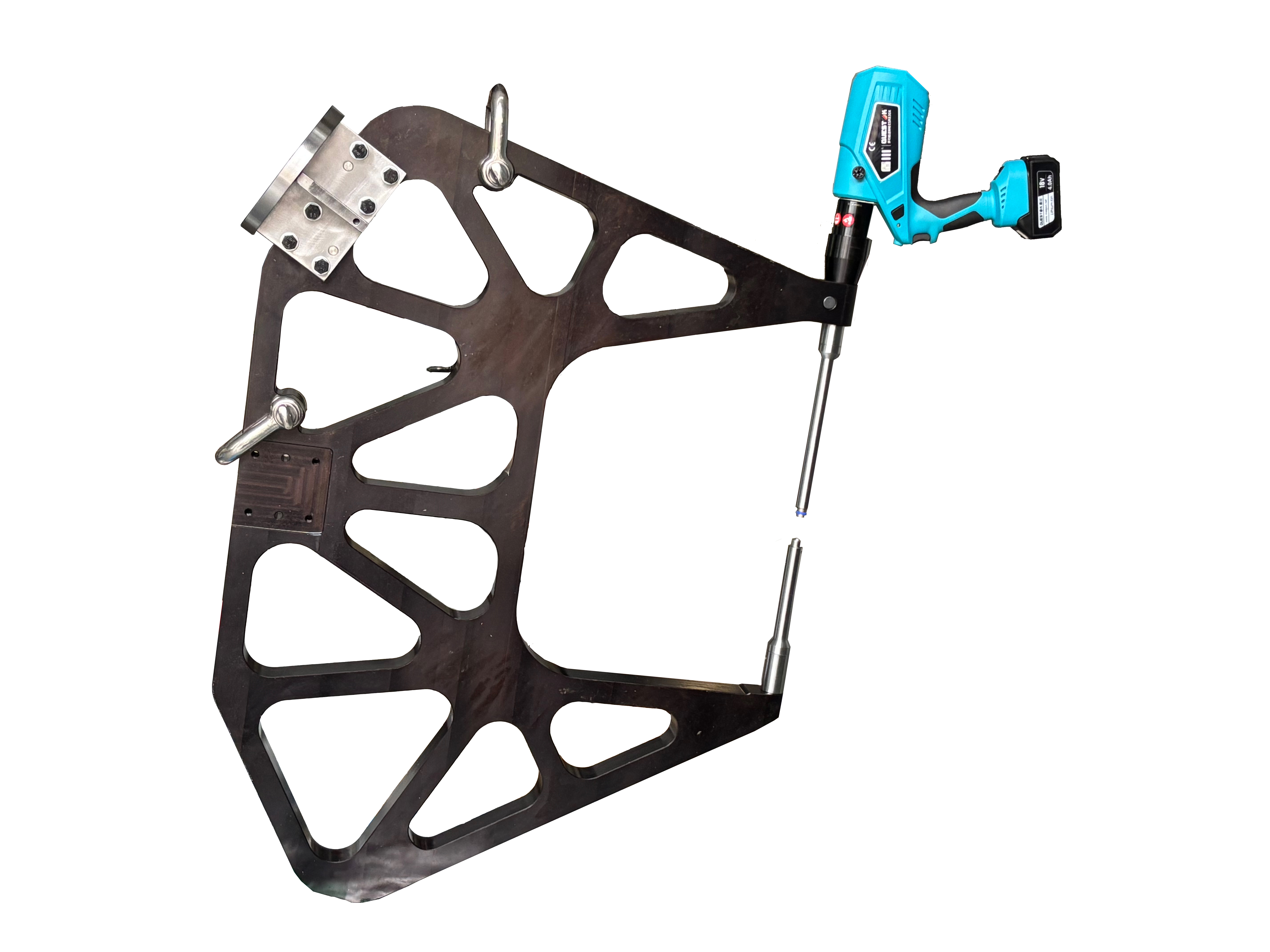
Quality records can support the factory review, but they should not be treated as labor or environmental proof. The business model data states 100% full inspection from materials to completed products, process checks against company standards, function tests before delivery, and customer-facing test videos and photos. Ask to see whether these records are traceable to production batches, operators, equipment maintenance, waste handling, and site-level controls.
The supplied credentials include CE certificate ISETC.001120210222, CE certificate 3N210218.PTK0S25, and MSDS certificate 262620110732. These records support product and material documentation for the listed products and markets. They do not, by themselves, establish factory labor conditions or environmental performance.
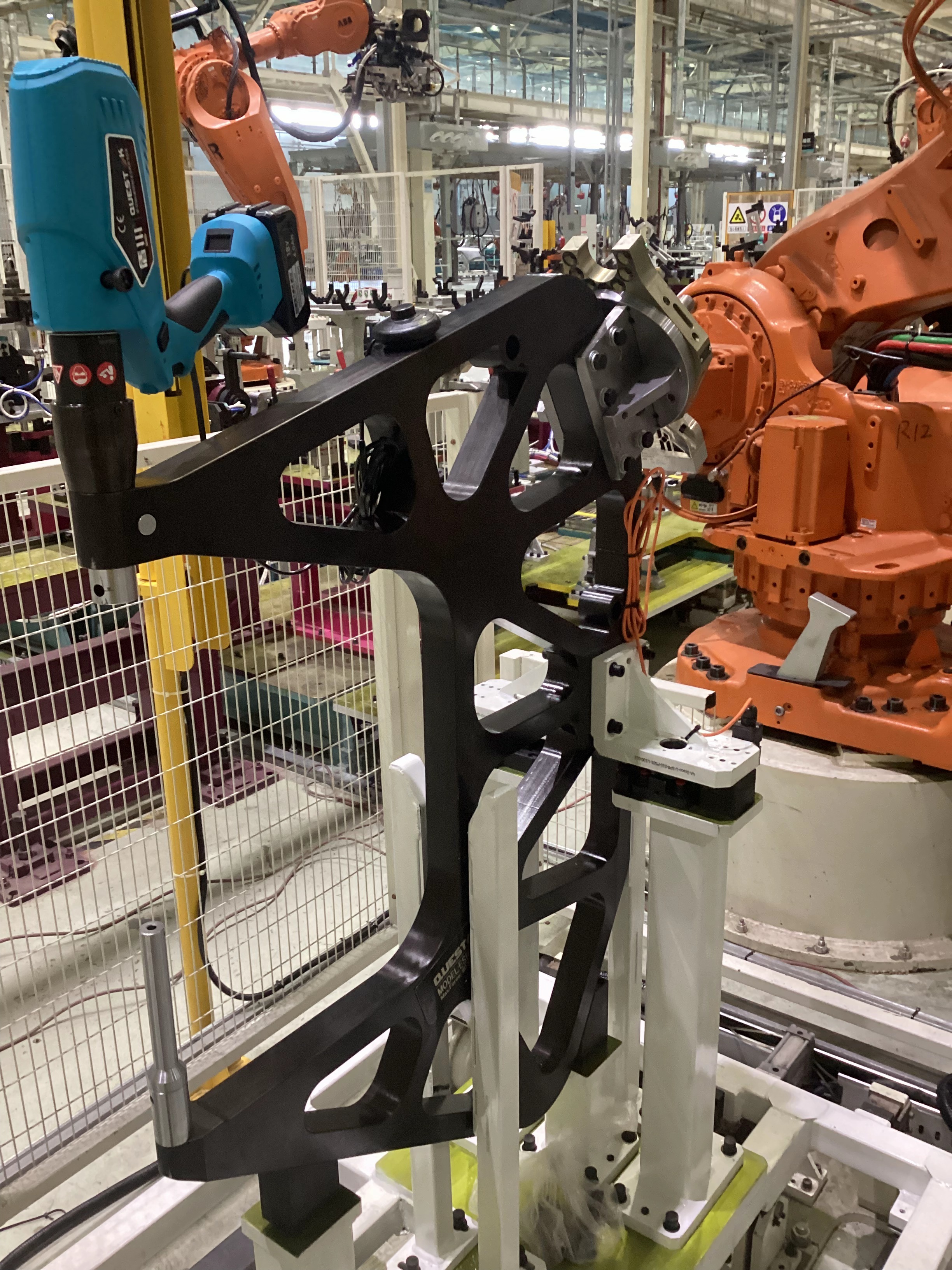
The cooperation cases describe factory visits, engineering discussions, material-combination testing, metallographic analysis, die changes, prototype support, and customized joining solutions for automotive, EV battery, and control-cabinet production. These cases show that the company has served clients across multiple industries, but customer project experience does not replace direct evidence of labor management or environmental controls at the factory.
Data/Solution Comparison
| Verification area | Evidence available in the supplied data | Evidence still needed |
|---|---|---|
| Company identity and site scale | Established in 2011; 20-50 employees; 5,000 sqm factory; named company and factory address are provided. | Confirm the legal entity, current headcount, site activity, and factory records during an on-site review. |
| Labor practices | No labor policy, working-hour, payroll, training, grievance, or workforce audit information is provided. | Request written policies, worker records, training evidence, grievance records, and recent labor audit results. |
| Environmental practices | No environmental permit, waste, emissions, energy, water, or environmental audit information is provided. | Request environmental permits, waste-handling records, inspection logs, emissions records, and resource-use data. |
| Production and quality controls | Full inspection is stated, including checks from materials to completed products and function testing before delivery. | Trace inspection records to production batches, operators, equipment maintenance, and site-level process controls. |
| Product documentation | CE certificates and an MSDS certificate are listed for the relevant clinching, riveting, and fastening products. | Confirm certificate scope, product matching, validity, and connection to the inspected production site. |
Frequently Asked Questions (FAQ)
What labor evidence should I request from a clinching gun factory?
The provided data contains no labor metrics. Request written labor policies, worker identity and age records, working-hour and payroll records, training records, grievance procedures, and recent labor audit documents, then compare them with on-site observations.
Do CE and MSDS records confirm labor and environmental performance?
No. In the supplied records, CE and MSDS are product-related credentials that identify applicable products and markets. They support product documentation review but do not establish factory labor practices or environmental controls.
Which site facts can be cross-checked during a factory review?
Cross-check the stated 2011 establishment year, 20-50 employees, 5,000 sqm factory area, product scope, full inspection process, and manufacturing capacity statements against site records, production logs, inspection documents, and environmental files.
Final Conclusion & Recommendations
Use a two-layer review: confirm the facility identity and production records, then obtain the labor and environmental documents that are absent from the supplied data. Questok states support for ODM and OBM models, full inspection, CE and MSDS credentials, and technical after-sales service; treat these as business and product evidence, separate from workplace and environmental verification. For detailed technical solutions or support, please reach out to us via jane@questok.com.
About Us
PHOTON TECHNOLOGY KUNSHAN CO.,LTD operates under the Questok brand and develops industrial fastening, joining, and assembly equipment for modern manufacturing.
Established in 2011, the company reports 20-50 employees and a 5,000 sqm factory, with products including rivetless clinching guns, clinching equipment, SPR riveting systems, and fasteners pressing tools.
Its documented credentials include CE certificate ISETC.001120210222 and CE certificate 3N210218.PTK0S25, and the supplied cooperation cases show that it has served clients across multiple industries.

Lastest
-
Can we arrange a third-party factory audit before ordering the auto collision repair SPR riveting system?
2026-10-12 -
What is the maximum thickness a standard self-piercing riveting system can handle?
2026-10-12 -
Can I get a sample of the auto collision repair SPR riveting system to test in my workshop?
2026-10-12 -
Is a battery-powered auto collision repair SPR riveting system as strong as pneumatic ones?
2026-10-12 -
Are there any hidden fees when importing an auto collision repair SPR riveting system?
2026-10-12
SUBSCRIBE
INQUIRY