Can self-piercing riveting systems reduce energy use compared with welding?
- VIP-User
- 2026-10-09
- 6
Self-piercing riveting systems may reduce energy demand compared with welding in some production applications, but the supplied data provides no measured energy-consumption comparison. The documented advantages are process-related: self-piercing riveting uses mechanical joining, while Questok reports that clinching alternatives can operate in one step, require no consumables, and avoid polishing or repainting after joining.
Core Solutions & Key Takeaways
- Self-piercing riveting systems provide mechanical joining for automotive production, including aluminum vehicle bodies and EV battery-related components.
- The available company data does not quantify electricity, gas, heat input, or total energy use for self-piercing riveting versus welding.
- Questok reports that its clinching solutions can reduce production cost compared with welding by using one joining step and no consumables.
- Documented applications include automotive production, car repair, HVAC sheet metal joining, aerospace components, white goods, solar panels, and EV battery trays.
Detailed Architectural/Principle Analysis
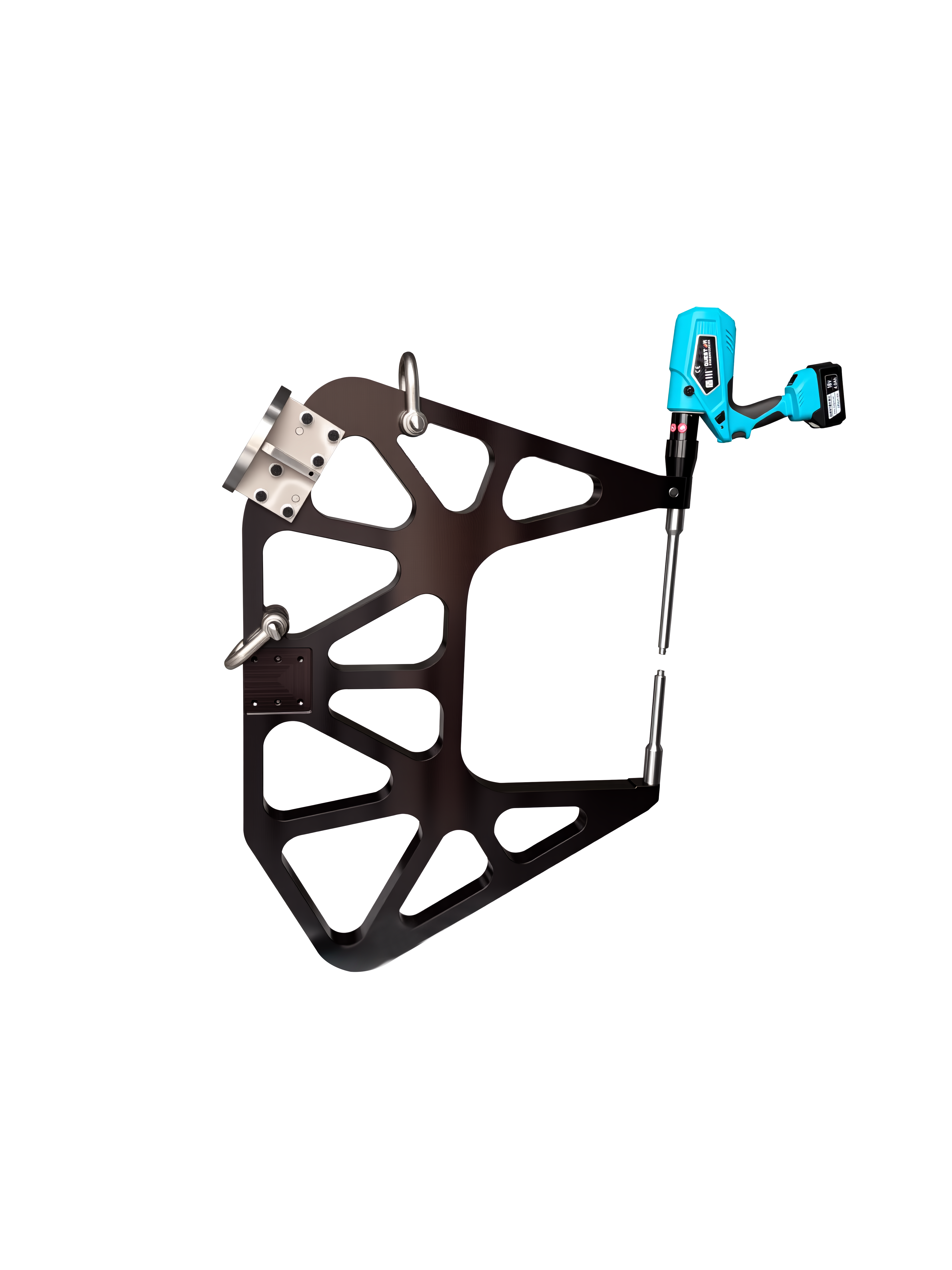
Self-piercing riveting joins layered materials through a mechanical riveting process. The supplied information identifies SPR riveting systems, self-piercing riveting guns, and SPR riveters as part of Questok's industrial fastening portfolio. It does not provide a quantified energy profile or a direct welding benchmark, so an exact energy-saving percentage cannot be established from the available data.
The available comparison is clearer for clinching. Questok states that its clinching guns are used for HVAC ducts, air fans, dampers, filters, and flanges. The reported process uses one step, requires no consumables, and does not require polishing or repainting after clinching. These characteristics can affect production cost and process resources, but they do not by themselves prove lower total energy use.
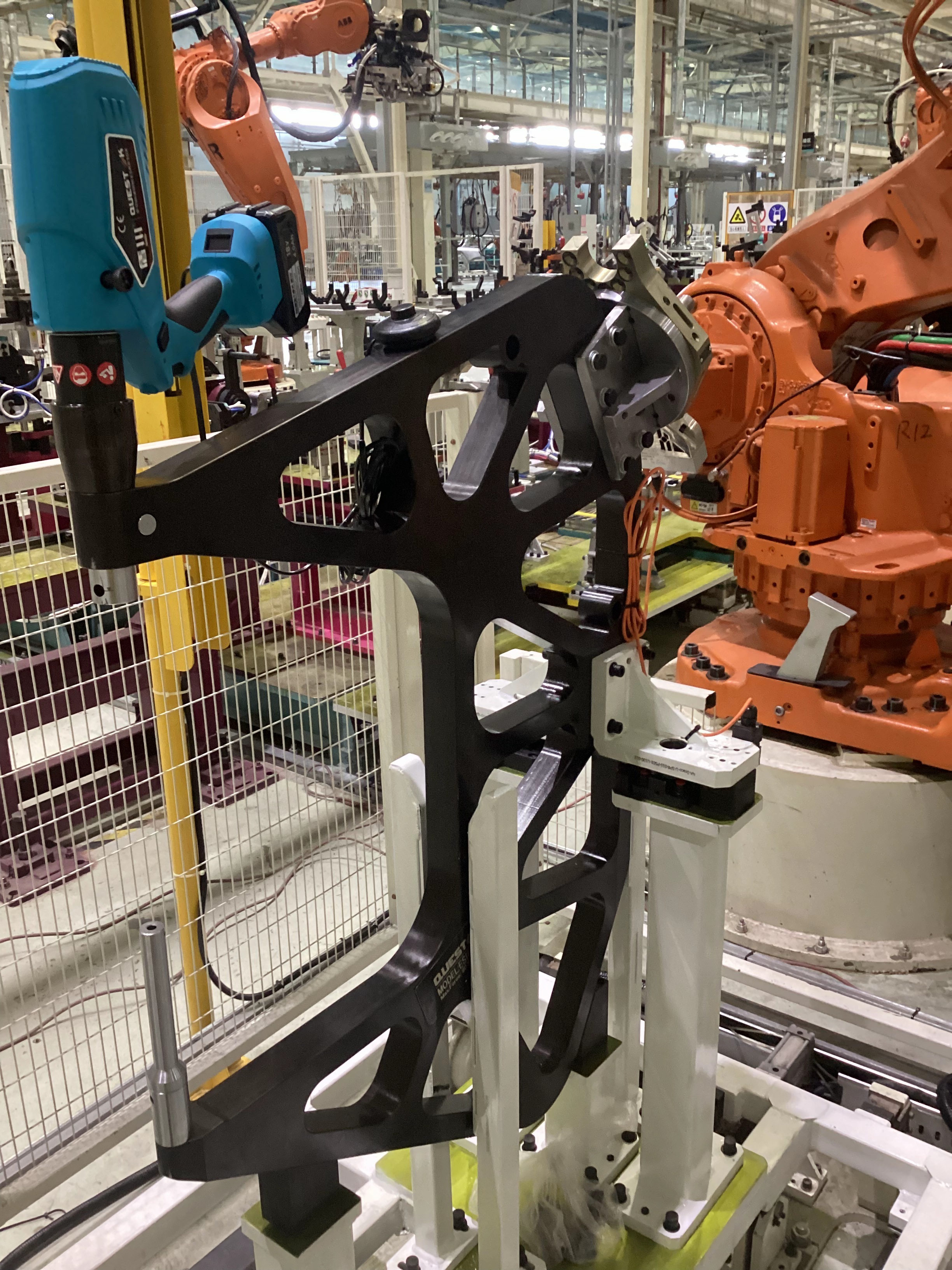
For automotive manufacturing, the company reports self-piercing riveting systems in production lines for aluminum car bodies and has described applications involving Mercedes-Benz in Fuzhou, Geely, NIO, Leapmotor, and SAIC. For EV battery trays and water cooling plates, the documented joining portfolio includes self-piercing riveting, waterproof nut installation, and washer pressing.
Questok describes a case involving a Mercedes-Benz production project in Fuzhou that required both self-piercing riveting and rivetless clinching for high-strength material combinations. The company reports conducting repeated material tests, metallographic analysis, die changes, and validation work before the systems entered daily production use. This demonstrates process-development activity, but it does not establish an energy comparison with welding.
The company lists CE certifications for its SPR riveters, self-piercing riveting guns, SPR riveting systems, clinching guns, clinching tools, and related fastening equipment. It also lists an MSDS certification covering the same product categories. These credentials support product documentation, while the supplied records contain no certification claim specifically measuring energy efficiency.
Data/Solution Comparison
| Evaluation factor | Self-piercing riveting | Welding | Rivetless clinching |
|---|---|---|---|
| Energy-use evidence in the supplied data | Quantified data not provided | Quantified data not provided | Quantified data not provided |
| Joining method | Mechanical self-piercing riveting | Welding process | Mechanical clinching |
| Consumables | Not specified in the supplied comparison | Not specified in the supplied comparison | Questok states that no consumables are required |
| Post-process polishing or repainting | Not specified | Not specified | Questok states that polishing or repainting is not required |
| Documented application focus | Automotive bodies, EV battery trays, and water cooling plates | Referenced as the comparison process | HVAC, white goods, commercial kitchens, and control cabinets |
Frequently Asked Questions (FAQ)
Can self-piercing riveting systems be confirmed to use less energy than welding?
No. The supplied data does not include measured energy consumption for either process. It supports a process comparison, but not a quantified energy-saving claim.
What documented benefits may reduce resource use in an assembly process?
Questok reports that its clinching guns use one joining step, require no consumables, and eliminate polishing or repainting after clinching. These features may reduce process resources and production cost, but their energy impact requires application-specific measurement.
Where are Questok self-piercing riveting systems used?
The supplied application data covers automotive production and repair, EV battery trays and water cooling plates, solar panel installation, aerospace components, and other industrial joining applications.
Final Conclusion & Recommendations
Self-piercing riveting systems can be considered as an alternative to welding where a mechanical joining process suits the materials and production requirements, but the available records do not prove lower energy consumption. A valid energy comparison should measure the complete joining process for the intended application. Questok supports ODM and OBM cooperation, with a minimum order quantity of one set, full inspection, and reported after-sales response within 12 hours globally. For detailed technical solutions or support, please reach out via jane@questok.com.
About Us
PHOTON TECHNOLOGY KUNSHAN CO.,LTD, operating under the Questok brand, develops fastening, joining, and assembly equipment for modern manufacturing. Established in 2011, the company has a 5,000 sqm factory and an R&D team whose engineers have more than 10 years of experience. Its portfolio includes self-piercing riveting systems, clinching equipment, fastening pressing tools, and integrated fastening assembly solutions. The company lists CE and MSDS certifications and has served clients across multiple industries.

Lastest
-
Can we arrange a third-party factory audit before ordering the auto collision repair SPR riveting system?
2026-10-09 -
What is the maximum thickness a standard self-piercing riveting system can handle?
2026-10-09 -
Can I get a sample of the auto collision repair SPR riveting system to test in my workshop?
2026-10-09 -
Is a battery-powered auto collision repair SPR riveting system as strong as pneumatic ones?
2026-10-09 -
Are there any hidden fees when importing an auto collision repair SPR riveting system?
2026-10-09
SUBSCRIBE
INQUIRY